About Client
ATISHA is a fruit juice manufacturer with a strategic focus on large-scale investment and modernized operations.
The company invested approximately USD 5 million in an automated production line and operates under a centralized manufacturing plant model with a lean workforce of around 20 employees.
From the early stage, ATISHA aimed to establish a standardized management system with a high level of automation to support the factory's overall operations.
Overview
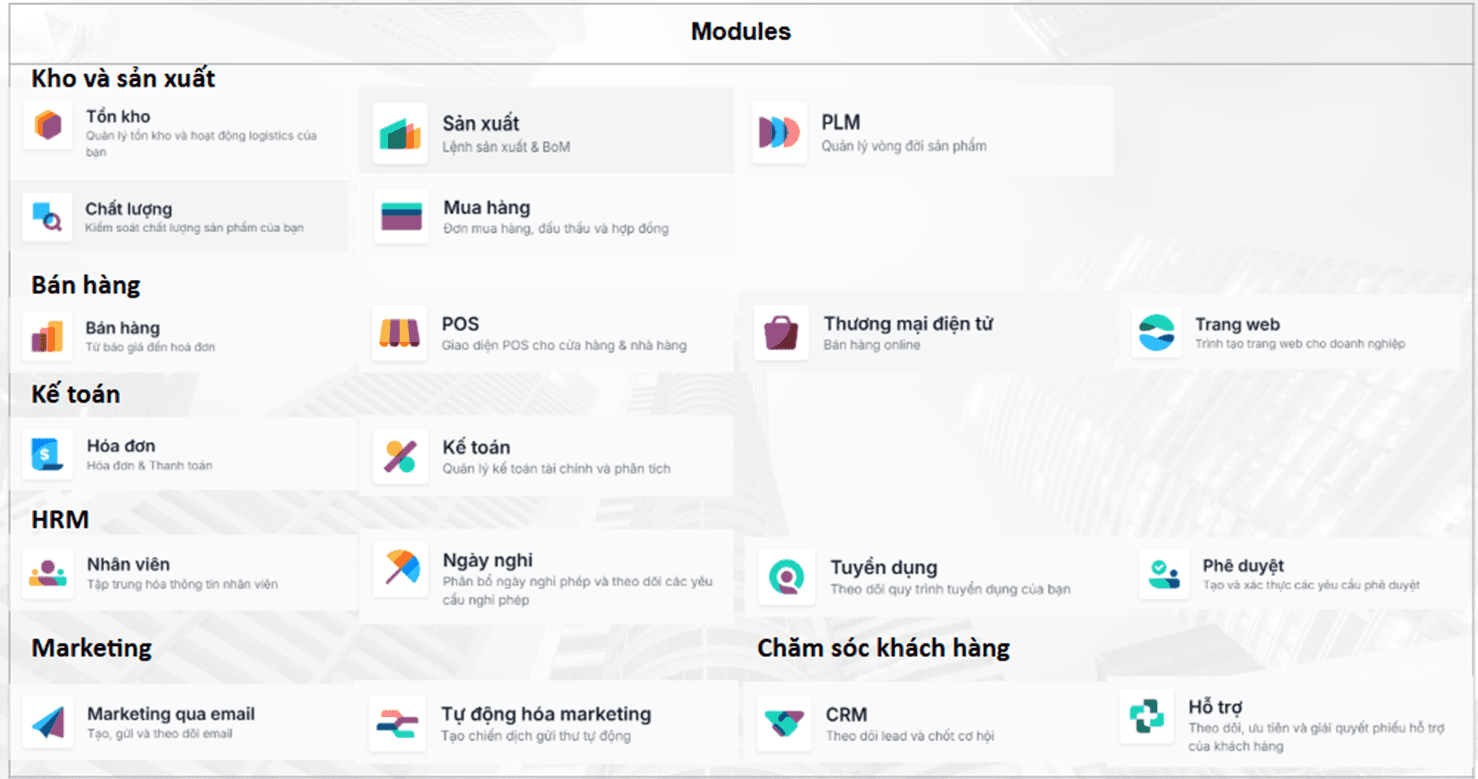
Industry: Fruit Juice ManufacturingInvestment: ~USD 5M for an automated production lineOperating Model: Centralized Manufacturing PlantScale: ~20 EmployeesCore Direction: Lean Operations, High Automation & Standardized ManagementSystem Scope: Manufacturing, Inventory, Quality, Purchasing, Sales, Accounting, HR, CRM & ReportingThe challenges
ATISHA is bringing a completely new manufacturing facility into operation. While this provides an opportunity to establish its operating model from the ground up, it also creates significant requirements for system flexibility and automation.
Lean Operations & High Automation: The production line is designed for high levels of automation, while the entire factory operates with only around 20 employees, including accounting and operations staff.New Factory, New Processes: The factory is newly built and still in the setup and testing stage, with SOPs and operational processes not yet fully established and subject to change.Lack of a Standardized Management System: No official ERP system is currently in place, while operational data and business processes remain unstandardized, making it challenging to establish a unified management platform from the ground up.Solution
Integrated Manufacturing Management: Position Manufacturing as a core function, connecting production with Inventory, Quality, and Product Lifecycle Management (PLM).Connected Inventory, Purchasing & Quality: Integrate Inventory, Purchasing, and Quality with manufacturing operations to manage materials, products, and quality throughout the workflow.Centralized Commercial Operations: Integrate Sales, POS, eCommerce, and Website within a unified platform.Integrated Finance & HR: Manage Invoicing, Accounting, and HR through a centralized system.Customer & Support Management: Integrate CRM, Marketing, and Customer Support to manage customer relationships and support activities.Centralized Reporting & Approvals: Provide Reporting and Approval Workflows to support centralized management and decision-making.Key outcomes
Lean Operations: Support a lean operating model with a workforce of approximately 20 employees.High Automation Readiness: Establish a management foundation aligned with the factory's high-automation direction.Standardized Management: Create a centralized management system instead of fragmented processes and data.Integrated Operations: Connect manufacturing, inventory, quality, purchasing, sales, finance, and HR within a unified platform.Operational Flexibility: Establish a flexible foundation that can adapt as SOPs and operating processes continue to evolve during the factory's ramp-up phase.Case Study - [Odoo Profile.pdf](https://drive.google.com/file/d/1S_cwE-eTqgdcZCdQZ8t7ngN2ffOh0oZo/view?usp=drive_link)